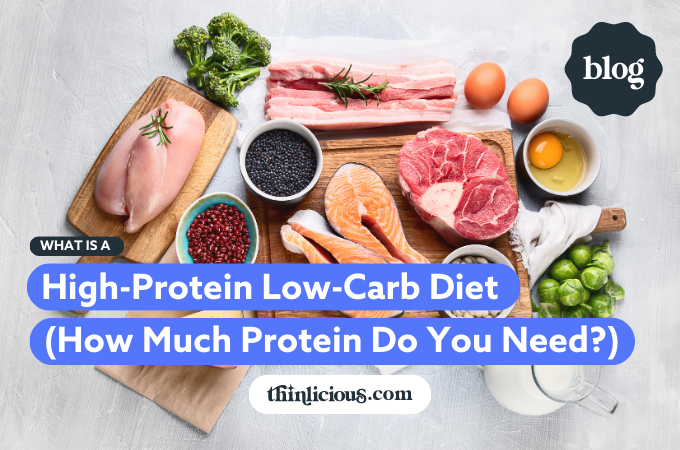
Top 10 Protein Sources to Fuel Your Fitness Journey
When it comes to fueling your fitness journey, incorporating high-quality protein sources into your diet is essential. Protein helps in muscle repair and growth, making it a vital nutrient for anyone engaged in regular physical activity. Here are the top 10 protein sources that can help you meet your protein needs:
- Chicken Breast - Lean and versatile, chicken breast is a staple for protein lovers.
- Greek Yogurt - This creamy treat is not only packed with protein but also beneficial probiotics.
- Eggs - Eggs are a complete protein source, providing all nine essential amino acids.
- Quinoa - A plant-based complete protein that also offers fiber and important minerals.
- Tofu - A fantastic protein-rich option for vegetarians that can absorb flavors well.
- Fish - Varieties like salmon and tuna are rich in protein and omega-3 fatty acids.
- Legumes - Beans, lentils, and peas are excellent sources of protein and fiber.
- Nuts and Seeds - Almonds, chia seeds, and flaxseeds offer healthy fats along with protein.
- Cottage Cheese - Low in fat and high in protein, it's perfect for a post-workout snack.
- Protein Powder - Convenient and effective for those needing a protein boost easily.
How to Create the Perfect High-Protein Meal Plan
Creating the perfect high-protein meal plan begins with understanding your individual protein needs. For most people, aiming for at least 1.6 grams of protein per kilogram of body weight is a good starting point, especially for those involved in regular exercise. You can calculate your personal needs based on your age, activity level, and fitness goals. Once you have determined your target protein intake, begin to explore various high-protein foods like lean meats, dairy products, legumes, nuts, and seeds, ensuring to incorporate a variety of these sources into each meal for a balanced diet.
Next, plan your meals and snacks ahead of time to ensure you meet your protein goals without leaving anything to chance. Consider using a simple method such as the plate method where half your plate consists of vegetables, one quarter of protein, and one quarter of whole grains. Here’s a basic template to follow:
- Breakfast: Greek yogurt with berries and a sprinkle of nuts.
- Lunch: Grilled chicken salad with a variety of veggies.
- Dinner: Quinoa bowl topped with tofu and steamed broccoli.
- Snacks: Cottage cheese with pineapple or a protein shake.
By incrementally crafting your meals using this approach, you can successfully adhere to a high-protein meal plan that supports your health and fitness goals.
Is More Protein the Key to Faster Muscle Recovery?
When it comes to muscle recovery, protein plays a pivotal role in repairing and rebuilding muscle tissues damaged during exercise. After an intense workout, the body's natural repair processes are activated, and sufficient protein intake is essential to facilitate this recovery. Studies suggest that consuming protein shortly after exercise can enhance muscle protein synthesis, leading to better recovery times and improved muscle growth. With this in mind, many athletes and fitness enthusiasts are turning to higher protein diets to optimize their recovery and performance.
However, it's important to note that while more protein can aid in recovery, it should be balanced with other nutrients such as carbohydrates and fats. Carbohydrates replenish glycogen stores, which are crucial for energy during workouts, while healthy fats play a role in hormonal balance and overall health. Therefore, a well-rounded diet is essential for effective muscle recovery. Incorporating a variety of protein sources, such as lean meats, dairy, legumes, and plant-based proteins, can ensure that the body receives all the necessary building blocks for optimal recovery.