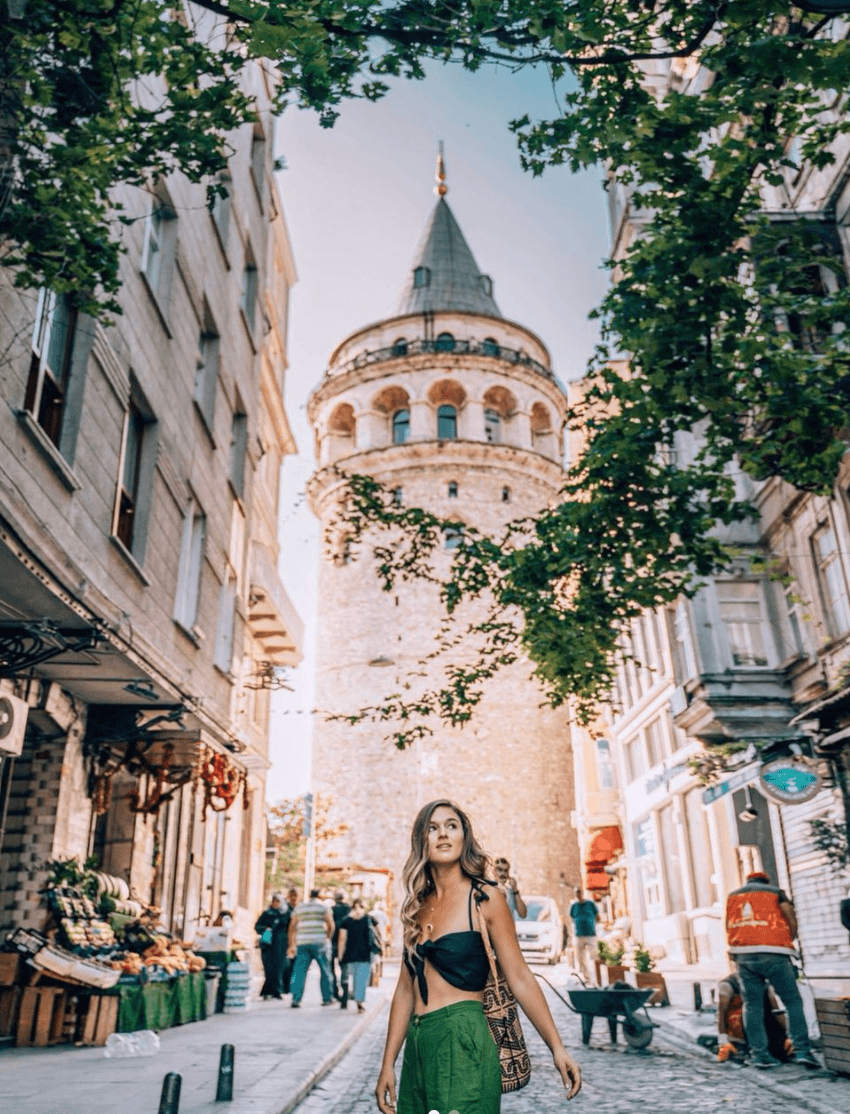
10 Tips for Taking Better Photos on Your Smartphone
Taking stunning photos on your smartphone is easier than you might think. Here are 10 tips for taking better photos on your smartphone.
- Utilize Natural Light: Whenever possible, take advantage of natural light to enhance your photos. Experiment with different times of day to see how the lighting can transform your images.
- Focus on Composition: Apply the rule of thirds by dividing your frame into a grid, placing subjects along the lines or intersections to create visually appealing photos.
- Clean Your Lens: A dirty lens can lead to blurry images. Make sure to clean your smartphone lens before shooting.
- Experiment with Angles: Don't hesitate to try different angles and perspectives. Sometimes the best shot comes from an unexpected viewpoint.
- Use Editing Apps: Post-processing can elevate your photos. Explore various editing apps to enhance colors, adjust brightness, and add effects.
- Be Mindful of Background: A cluttered background can distract from your subject. Choose backgrounds that complement and enhance your main focus.
- Stay Steady: To avoid blurry images, keep your hands steady or use a tripod. If necessary, use the timer feature to minimize camera shake.
- Master the Exposure: Adjusting the exposure on your smartphone allows you to capture better details in high-contrast situations. Tap to focus and drag your finger to adjust the exposure.
- Don’t Use Zoom: Avoid using digital zoom as it reduces image quality. Instead, get closer to your subject or crop your image later during editing.
- Practice Makes Perfect: The more you practice, the better you'll get. Don't be afraid to experiment and learn from each shot.
How to Capture the Perfect Sunset: Techniques and Tricks
Capturing the perfect sunset can be a mesmerizing experience, but it requires some planning and technique to truly bring out the beauty of this fleeting moment. Start by choosing the right location; ideally, look for a spot that offers an unobstructed view of the horizon. Arrive at least an hour before sunset to set up your equipment and adjust to the changing light conditions. Using a tripod is essential for stability, especially in low light, allowing you to experiment with longer exposure times without sacrificing image sharpness.
When it comes to settings, consider the following techniques to enhance your sunset photography:
- Use a low ISO setting to minimize noise.
- Set your aperture to a higher f-stop number to increase the depth of field.
- Experiment with the white balance to capture the rich colors of the sunset accurately.
What Makes a Great Photograph? Exploring Composition and Lighting
One of the fundamental elements that define what makes a great photograph is its composition. Composition is the arrangement of visual elements in a frame, and it plays a crucial role in guiding the viewer's eye and conveying the intended message of the image. A well-composed photograph adheres to principles such as the Rule of Thirds, where the frame is divided into nine equal parts, and the key elements are positioned along these lines or their intersections. Additionally, utilizing leading lines can draw attention to important aspects of the photo, making the composition not only visually appealing but also narratively engaging.
Equally important is the aspect of lighting, which can dramatically alter the mood and impact of a photograph. Natural light creates a sense of warmth and realism, while controlled lighting setups allow photographers to highlight specific features or evoke certain emotions. Understanding the golden hour, the period shortly after sunrise or before sunset, is essential for capturing stunning images with soft, diffused light. Moreover, experimenting with shadows and contrasts can add depth and dimension, further enhancing the photograph's overall quality and aesthetic appeal.